
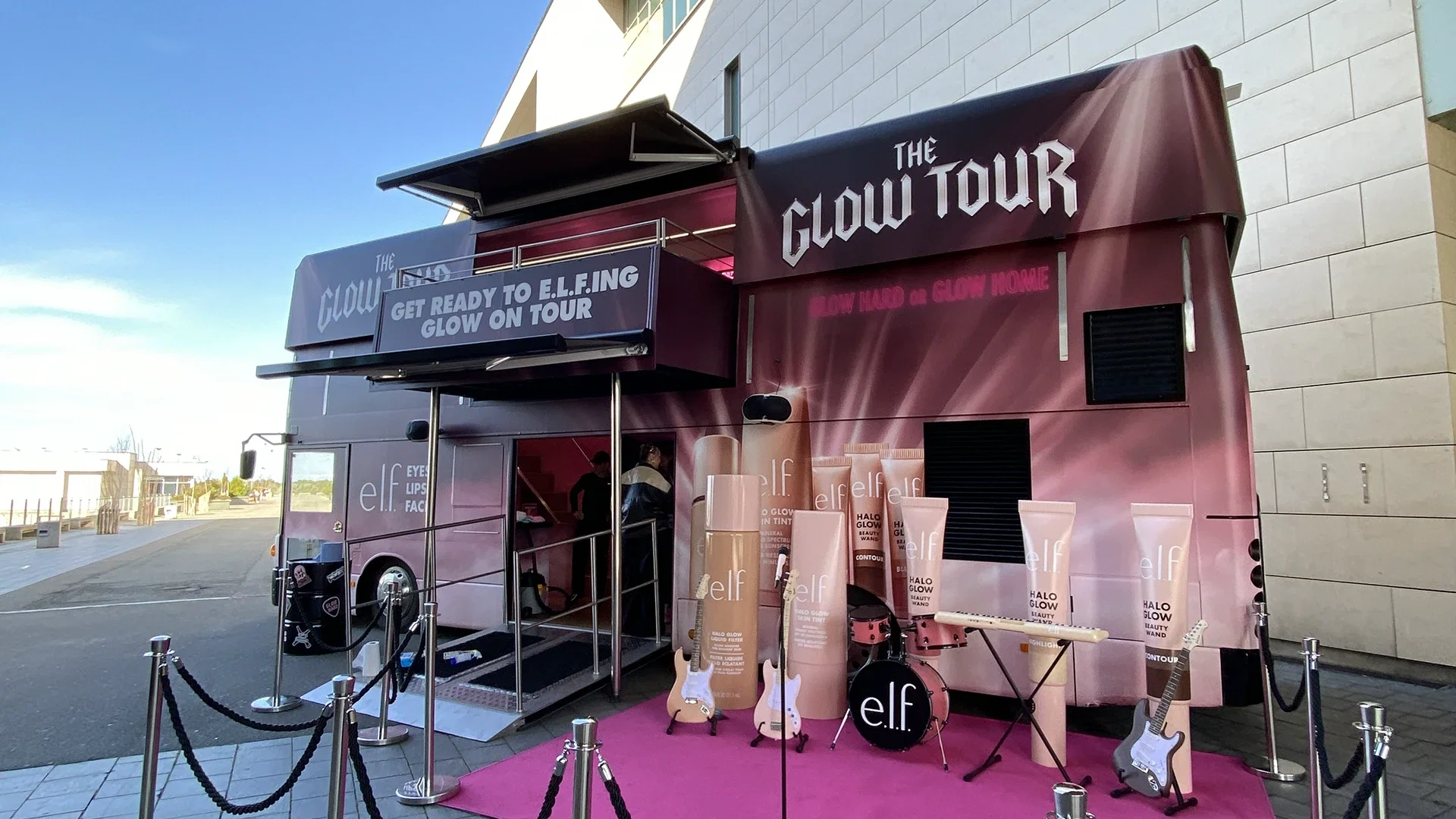
The reveal moment is the whole point of a product launch, and it needs a room that can deliver on lighting, sound, and sightlines without exhibit-hall clutter competing for attention. Hy-Vee Hall can do that at scale but needs a full production build to feel intentional rather than like a corner of an exhibit floor.
A smaller downtown venue in East Village trades scale for character and a shorter production build, which suits a launch with a tighter guest list, local press, and a demo footprint that doesn't need hundreds of square feet.
Operational priorities for Product Launch Services
- Choose venue scale to match guest list and press turnout, not aspiration
- Build the reveal moment's lighting and sound as its own production line
- Size demo footprint to the actual product, not a generic booth template
- Plan press arrival and staging separately from general guest flow
Matching venue scale to the actual guest list
A launch with a modest guest list and local press turnout usually looks better and costs less in a well-chosen downtown venue than in a partially-filled hall, where empty space works against the sense of occasion the reveal is trying to create.
A launch aiming for a large trade or public audience needs Hy-Vee Hall's floor and rigging capacity, but should budget for the additional production work needed to make that scale feel controlled rather than cavernous.
Building the reveal as its own production line
Lighting, sound, and staging for the reveal moment should be planned and priced separately from general event AV, since the reveal is usually the one moment in the program that has to work perfectly on a single take.
A rehearsal window on the actual stage, not a walkthrough the day before with placeholder equipment, is what catches timing and cue problems before the audience is in the room.
Sizing the demo footprint to the product
A product launch demo area should be sized to how many people can meaningfully interact with the actual product at once, not to a standard booth template carried over from a trade show floor plan.
Overbuilding the demo footprint dilutes foot traffic across too much empty space, while underbuilding it creates a bottleneck right when press and early guests want closest access.
How we run the work for Product Launch Services
We size the venue to the actual guest and press list first, then build the reveal's lighting, sound, and staging as a dedicated production line with its own rehearsal time, separate from the general event AV plan.
Press arrival, staging, and interview space get planned apart from general guest flow so a photo opportunity or interview doesn't get crowded out by the broader reception.
- Confirm guest and press count before committing to Hy-Vee Hall versus a smaller downtown venue
- Schedule a rehearsal on the actual stage for the reveal moment
- Size the demo footprint to realistic interaction volume, not a standard template
- Set dedicated press staging separate from general reception flow
What the Product Launch Services plan covers
The finished plan covers venue selection sized to guest and press turnout, a dedicated reveal production line with rehearsal time, a demo footprint sized to the product, and a press staging plan kept separate from general flow.
It closes with a note on what scale and staging choices actually delivered the intended moment, useful if the same product line launches again in a different Des Moines venue.
What buyers ask about Product Launch Services
Should a product launch use Hy-Vee Hall or a smaller downtown venue?
It depends on guest and press turnout. A modest guest list often looks better in a well-chosen downtown venue, while a large trade or public audience needs Hy-Vee Hall's floor and rigging capacity.
Why does the reveal need its own production line?
Because it is usually the one moment in the program that has to work on a single take, and lighting, sound, and staging planned separately from general AV get the rehearsal attention that moment needs.
How should the demo footprint be sized?
To how many people can meaningfully interact with the actual product at once, not to a standard trade show booth template.
Does press need a separate staging area?
Yes. Photo opportunities and interviews get crowded out by general reception flow if press staging isn't planned as its own space.
Is a rehearsal necessary before the guest reveal?
A rehearsal on the actual stage, not a walkthrough with placeholder equipment, is what catches timing and cue problems before the real audience is in the room.