Companies selling into a Principal-scale insurance or financial-services buyer expect a technology trade show experience built for a technical evaluator and a business decision-maker in the same conversation, not a purely consumer-facing demo.
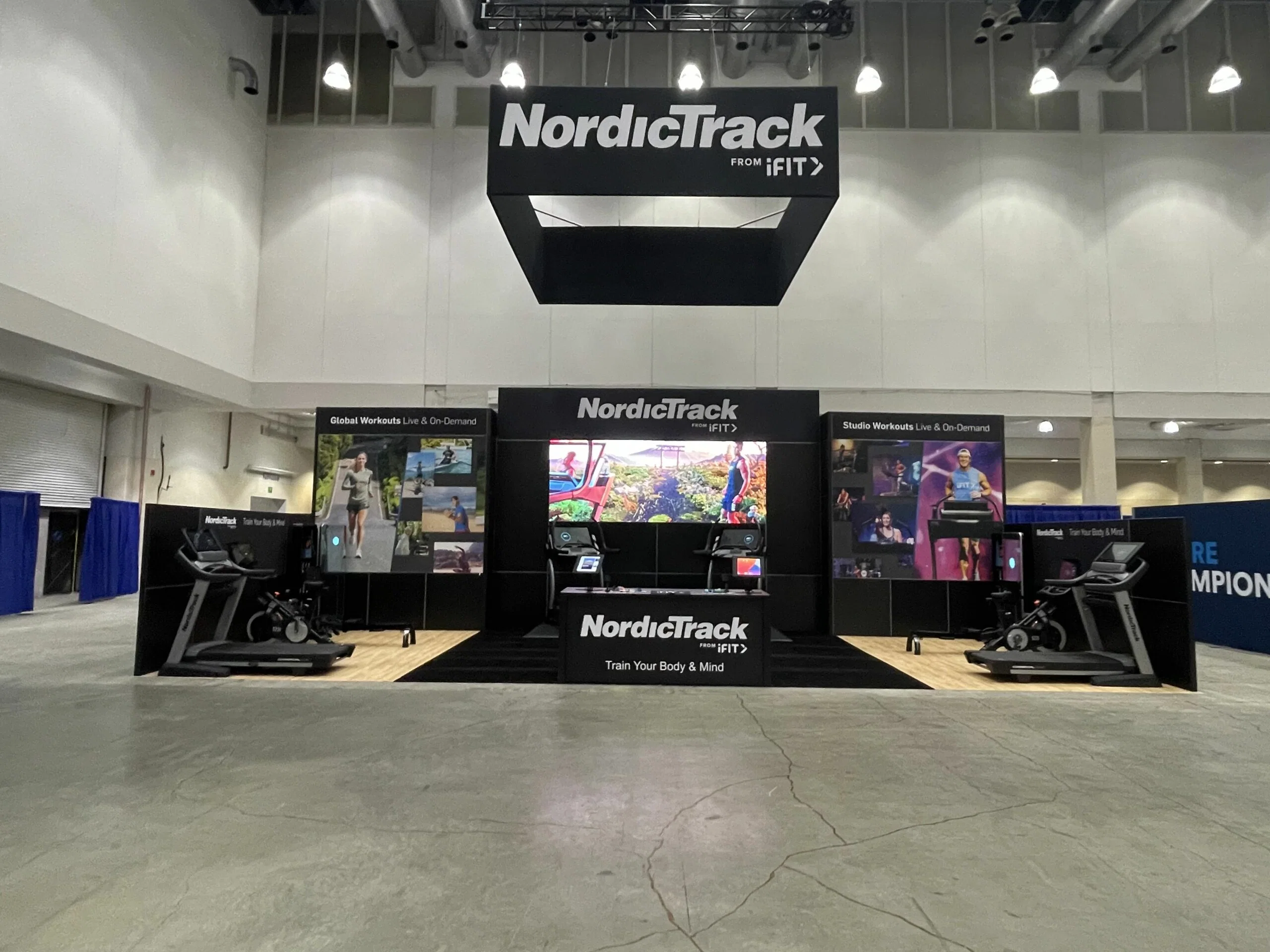
Technical breakout sessions, live product demonstrations, and partner integration discussions all tend to run in parallel at a technology-industry event here, and a booth or meeting room plan has to support all three without one crowding out the others.
What matters first in Technology Trade Show Services
- Design booth space for both technical evaluators and business decision-makers
- Give live product demos reliable power and network before anything else
- Set aside separate space for partner and integration conversations
- Plan Wi-Fi and bandwidth capacity for a technical audience's actual usage
Two buyers in one conversation
A technology booth selling to the local insurance and financial-services corridor often has to serve a technical evaluator asking about integration and security in the same conversation as a business sponsor asking about cost and timeline, and a single generic pitch rarely satisfies both.
Booth layout that offers a quick technical reference alongside a more relaxed conversation area handles this better than a single undifferentiated pitch space. A one-page architecture diagram or spec sheet ready at hand for the technical evaluator, separate from the pitch deck aimed at the business sponsor, keeps both conversations moving instead of forcing one attendee to sit through content meant for the other.
Live demos need dedicated infrastructure
A live product demonstration is only as reliable as its power and network connection, and a technology booth should treat that infrastructure as a first-priority order rather than something covered by the venue's general show power.
Bandwidth planning matters more for a technology-industry event than most other sectors, since a room full of attendees on personal devices alongside live product demos can strain shared venue Wi-Fi fast.
Partner and integration conversations need privacy
Integration and partnership discussions between technology vendors often involve details neither company wants overheard on an open booth floor, so a private meeting space adjacent to the main booth serves this audience better than an open floor plan alone.
Scheduling these conversations ahead of the show, rather than hoping for a walk-up, tends to produce more substantive meetings than relying on floor traffic. A short outreach to known partner contacts before the event, with a specific meeting slot offered rather than a general invitation to stop by, usually fills that private space with the conversations that actually matter.
How we run the work for Technology Trade Show Services
We plan booth space around the two buyer types this sector actually produces, technical evaluator and business decision-maker, and treat demo power, network, and bandwidth as dedicated infrastructure rather than general show services.
Partner and integration meetings get scheduled space set apart from open booth traffic, since those conversations tend to need both privacy and advance scheduling to actually happen.
- Design booth layout to serve technical evaluators and business decision-makers together
- Order dedicated power and network for live demos ahead of general show services
- Plan bandwidth capacity for a technical audience's actual device and demo load
- Set aside private, pre-scheduled space for partner and integration meetings
What the Technology Trade Show Services plan covers
The finished plan covers booth layout for dual buyer types, dedicated demo power and network, bandwidth planning for the expected technical load, and scheduled private space for partner conversations.
It closes with notes on which demo and meeting formats produced real follow-up conversations, useful for tightening the approach at the next Des Moines technology event.
Questions about Technology Trade Show Services
Why does Des Moines have significant technology trade show demand?
The local insurance and financial-services sector's own software and data needs drive a lot of enterprise-focused technology programming, distinct from a consumer electronics show.
Who is the actual buyer at a technology-industry event here?
Often two people at once: a technical evaluator asking about integration and security, and a business decision-maker asking about cost and timeline, in the same booth conversation.
Should live demos rely on the venue's general Wi-Fi?
No. Live product demonstrations need dedicated power and network ordered as a priority line item, since shared venue Wi-Fi can get strained by attendee devices and demos running at once.
Do partner meetings need their own space?
Yes. Integration and partnership discussions often involve details vendors don't want overheard on an open floor, so a private, pre-scheduled meeting space works better than hoping for a walk-up conversation.
How is bandwidth planned for a technical audience?
Against the actual expected device and demo load for the event, since a technical audience on personal devices alongside live demos uses more bandwidth than a typical show floor.