
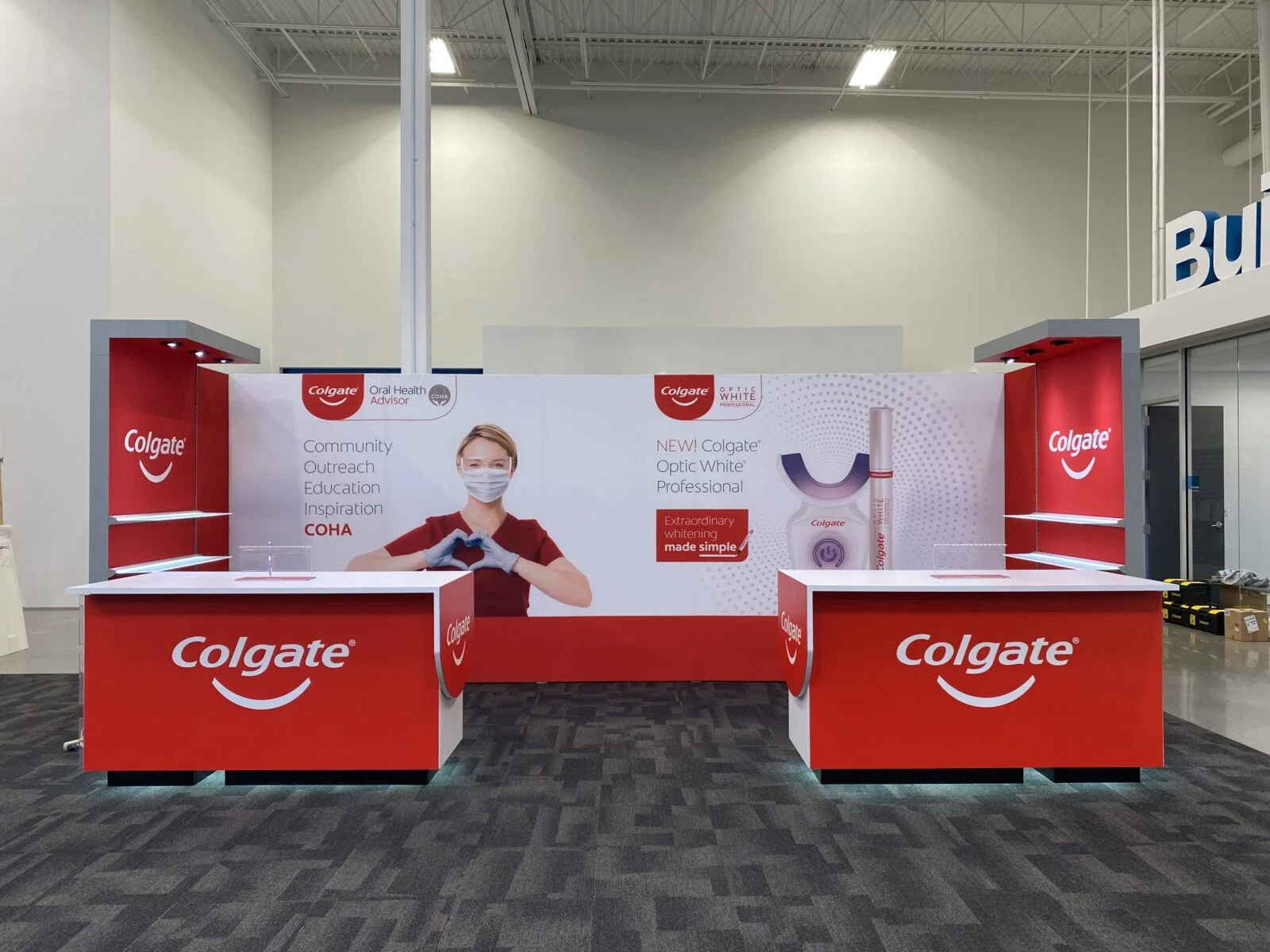
Trade Show General Contracting in the Des Moines metro splits into three operating pictures: a downtown convention program at the Iowa Events Center, a fairgrounds expo or public show at the William C. Knapp Varied Industries Building, and a corporate or association meeting on the West Des Moines corridor.
Each setting changes the freight window, the labor mix, the approval paperwork, and the show-week sequence. The work for Trade Show General Contracting usually begins by matching the request against the building it will run in, against the room, crew path, and show calendar.
Once the venue is set, the rest of the path settles quickly: order of services, dock times, decorator deadlines, and the supervision pattern needed once the room opens.
Execution priorities for Trade Show General Contracting
- Lock the venue, the date, and the labor window
- Map the service order to the venue's exhibitor packet
- Stage graphics and freight ahead of move-in
- Plan supervision and closeout against the run-of-show
Approvals and paperwork for Trade Show General Contracting
At the Iowa Events Center, the contracting runs against the convention campus rules: skywalk hotel logistics, downtown freight access, and the exhibitor packet that ships from the building's booking team.
The downtown floor rewards programs that lock dock times early and stage graphics ahead of move-in.
On-floor execution for Trade Show General Contracting
On the fairgrounds floor, the contracting has more vehicle access and less skywalk traffic. Public-show audiences also behave differently than association attendees, so signage and supervision change accordingly.
The Varied Industries Building, the Jacobson Exhibition Center, and the surrounding pavilions each set their own pace.
Reuse and the next show after Trade Show General Contracting
In hotel ballrooms and Ron Pearson Center, the contracting fits a smaller footprint and a corporate audience. AV is closer to a meeting standard than a trade-show standard, and the schedule is denser per square foot.
Reuse across building types is the part most exhibitors overlook until the second event of the year forces the question.
How we run the work for Trade Show General Contracting
The contracting works best when the event is treated as an operating plan, not a collection of separate vendor tasks. We connect the service objective to the room, the deadline, the freight path, the labor call, the graphics schedule, the technical needs, and the show-site lead so every decision has a reason and an owner.
That gives the client a stronger path before the pressure starts. Scope changes, executive reviews, shipping dates, service orders, and field adjustments are easier to manage when the plan already explains what has to happen first, what can move, and what cannot be allowed to drift.
- Confirm the room, footprint, date, and service mix before production commitments are made.
- Tie graphics, AV, furniture, rentals, and labor to the same schedule instead of separate checklists.
- Assign clear ownership for venue communication, approvals, install, live support, strike, and closeout.
- Document what should be reused, repaired, stored, or changed before the next show enters planning.
What the Trade Show General Contracting plan covers
The finished plan covers the practical details that make the event feel controlled: production milestones, service orders, booth or room configuration, freight timing, labor sequence, support equipment, show-day escalation, and outbound handling. Those details are where a confident Des Moines event partner earns trust.
We keep the language direct because the work is direct. The goal is to get the brand into the room with the right presence, the right people, the right support, and a closeout process that protects the investment after the audience leaves.
Planning questions for Trade Show General Contracting
When is Trade Show General Contracting most useful in Des Moines?
When the show date, the venue, and the labor window are confirmed early enough that the work fits cleanly into the rest of the production schedule.
How does this work change between Iowa Events Center and the fairgrounds?
Downtown work follows the convention center exhibitor packet and the skywalk hotel logistics. Fairgrounds work follows building-specific rules at the Varied Industries Building or Jacobson Exhibition Center, and the audience and access pattern are different.
What should an exhibitor send first when scoping the program?
The venue, the show date, the booth size or program scope, and the deadline for show services. Those four items are usually enough to start a usable plan.
Does this service include working with the venue's preferred contractor?
Yes. Most Des Moines venues run shows through a designated general contractor. Coordinating with that contractor is part of the work, not a separate step.