What should get settled first for locations?
The venue, timing, and support path should be settled before the rest of the plan is finalized.
Market Reach
The Des Moines metro is compact enough that location decisions still change real execution details. Downtown, the west corridor, the east side, and the airport-adjacent belt each influence where a program lands, how freight moves, and how quickly the team can respond on show week.
Metro reach
Location
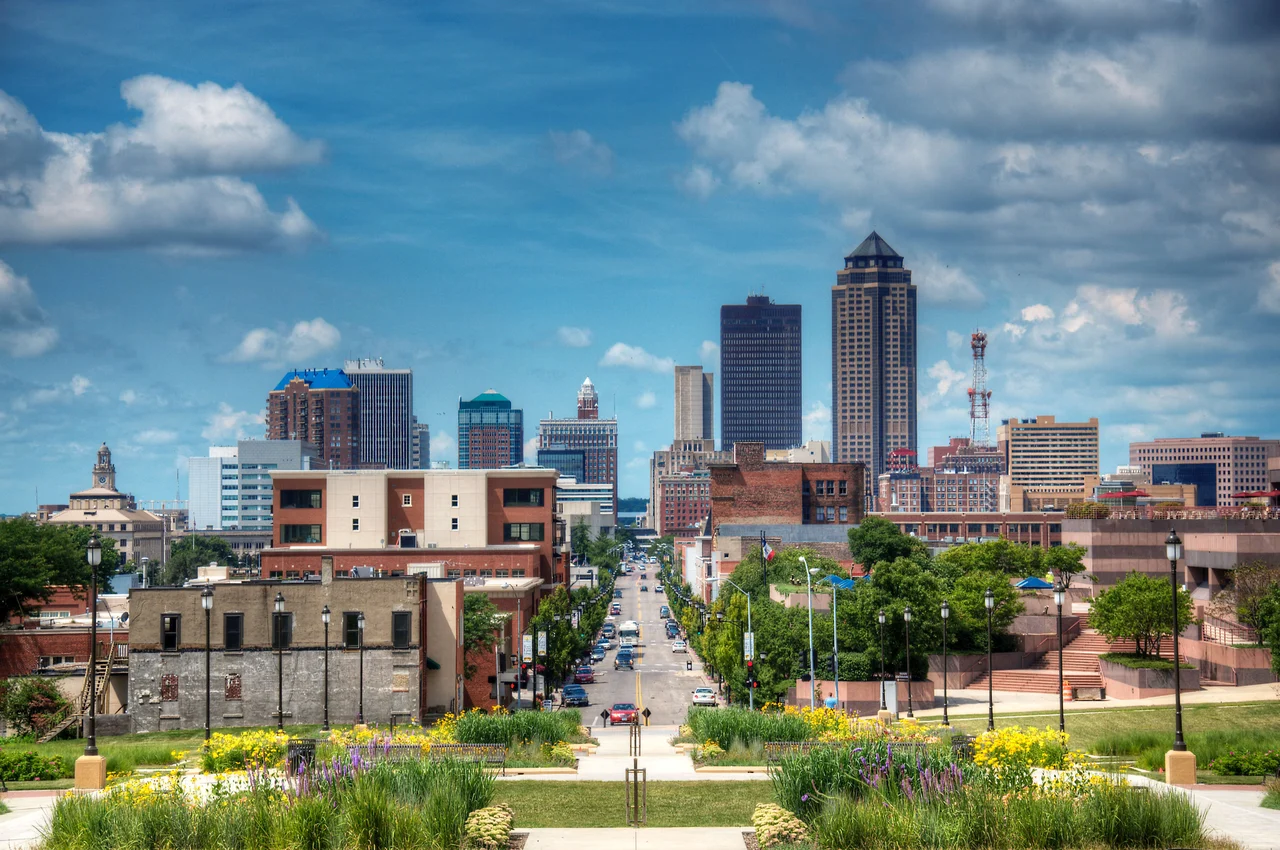
Downtown Des Moines holds the Iowa Events Center complex, the riverfront, and the largest cluster of skywalk-connected hotels in the metro.
View details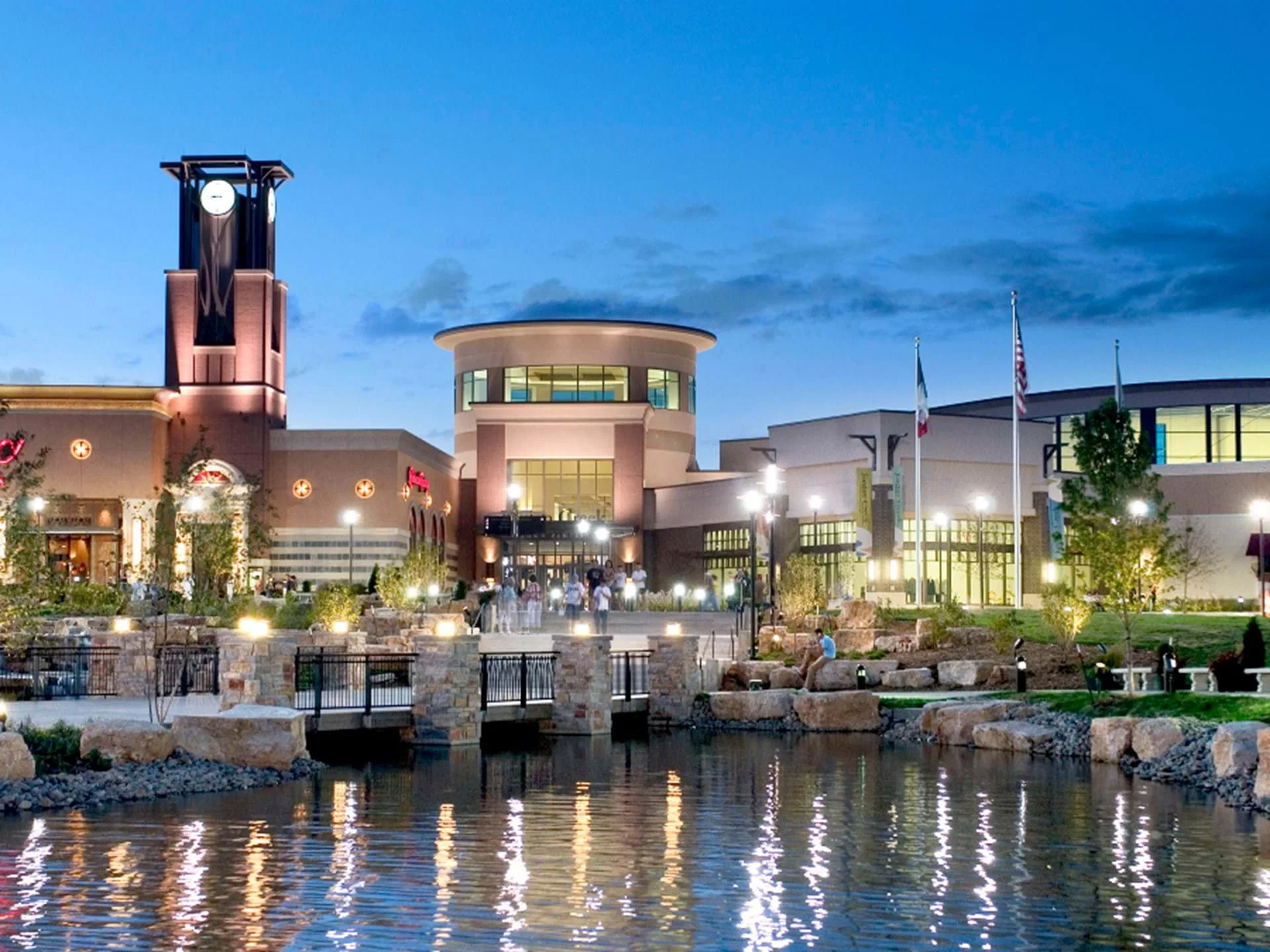
Location
West Des Moines runs the corporate hotel and conference belt along Westown Parkway, Jordan Creek Parkway, and the Mills Civic corridor.
View details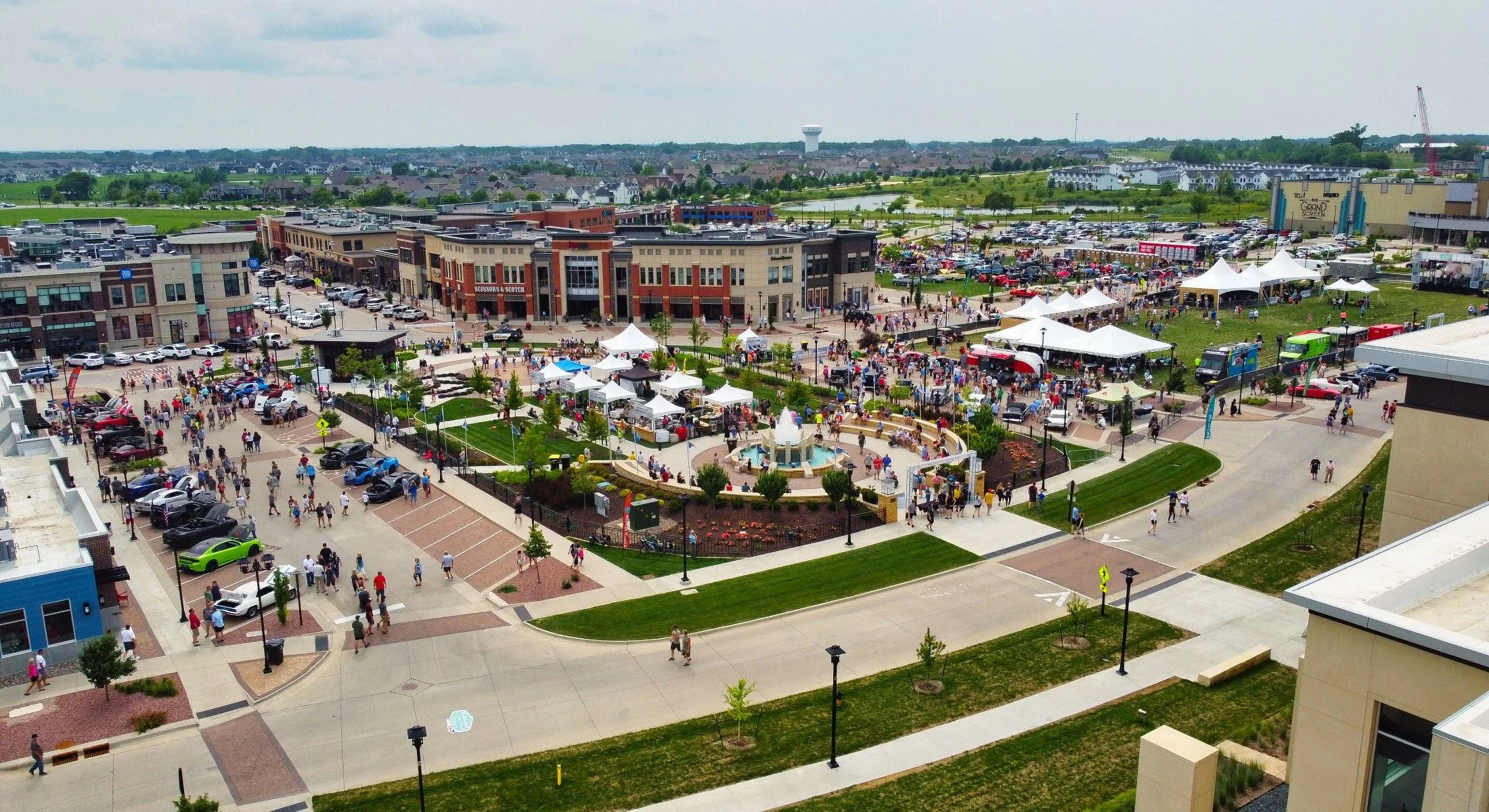
Location
Ankeny sits on Interstate 35 north of downtown, home to corporate offices and the DMACC main campus, with a meeting calendar that leans corporate and continuing-education.
View details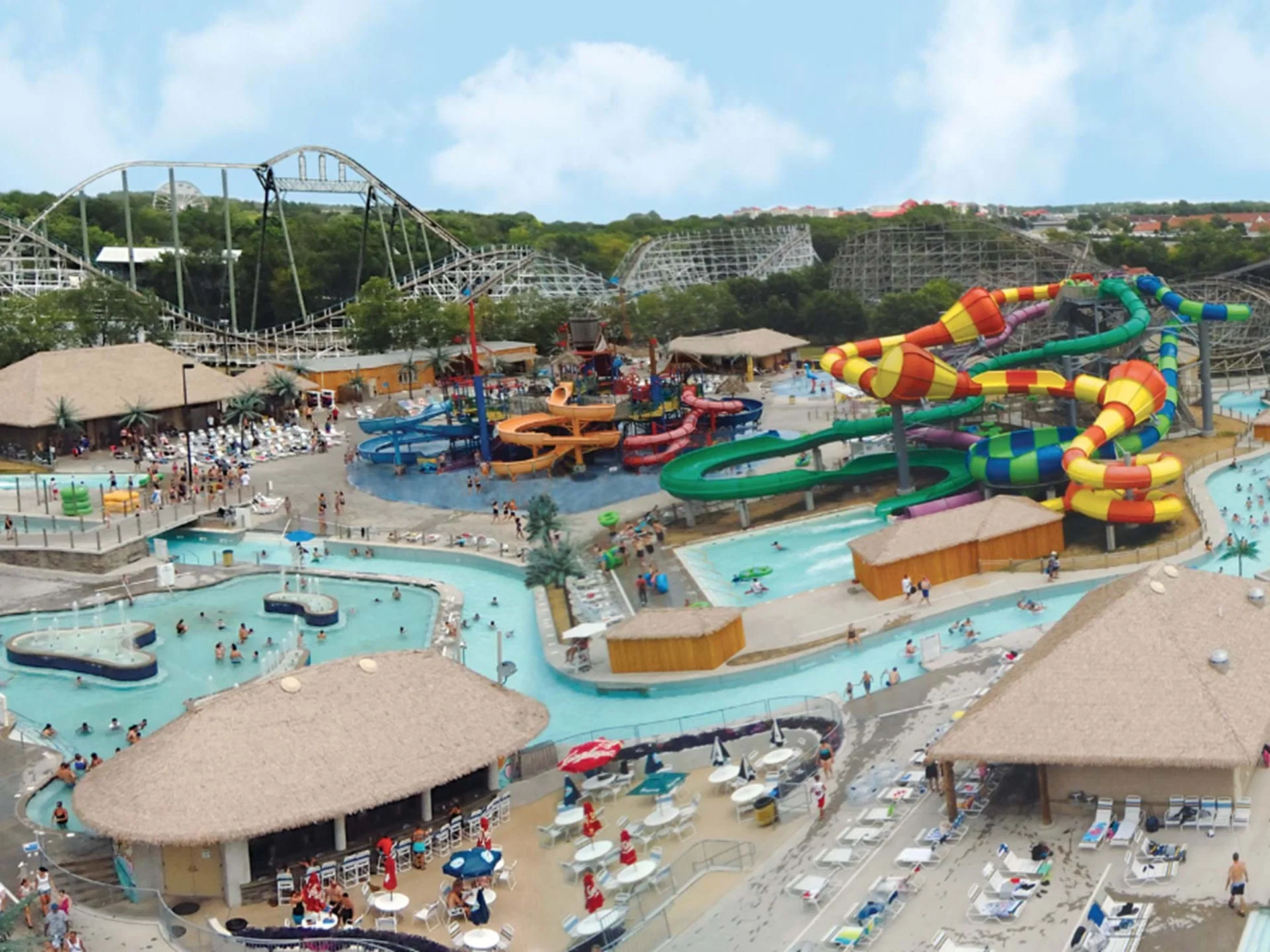
Location
Altoona anchors the east side of the metro around Prairie Meadows, Adventureland, and the Outlets of Des Moines, and pairs naturally with fairgrounds programming.
View details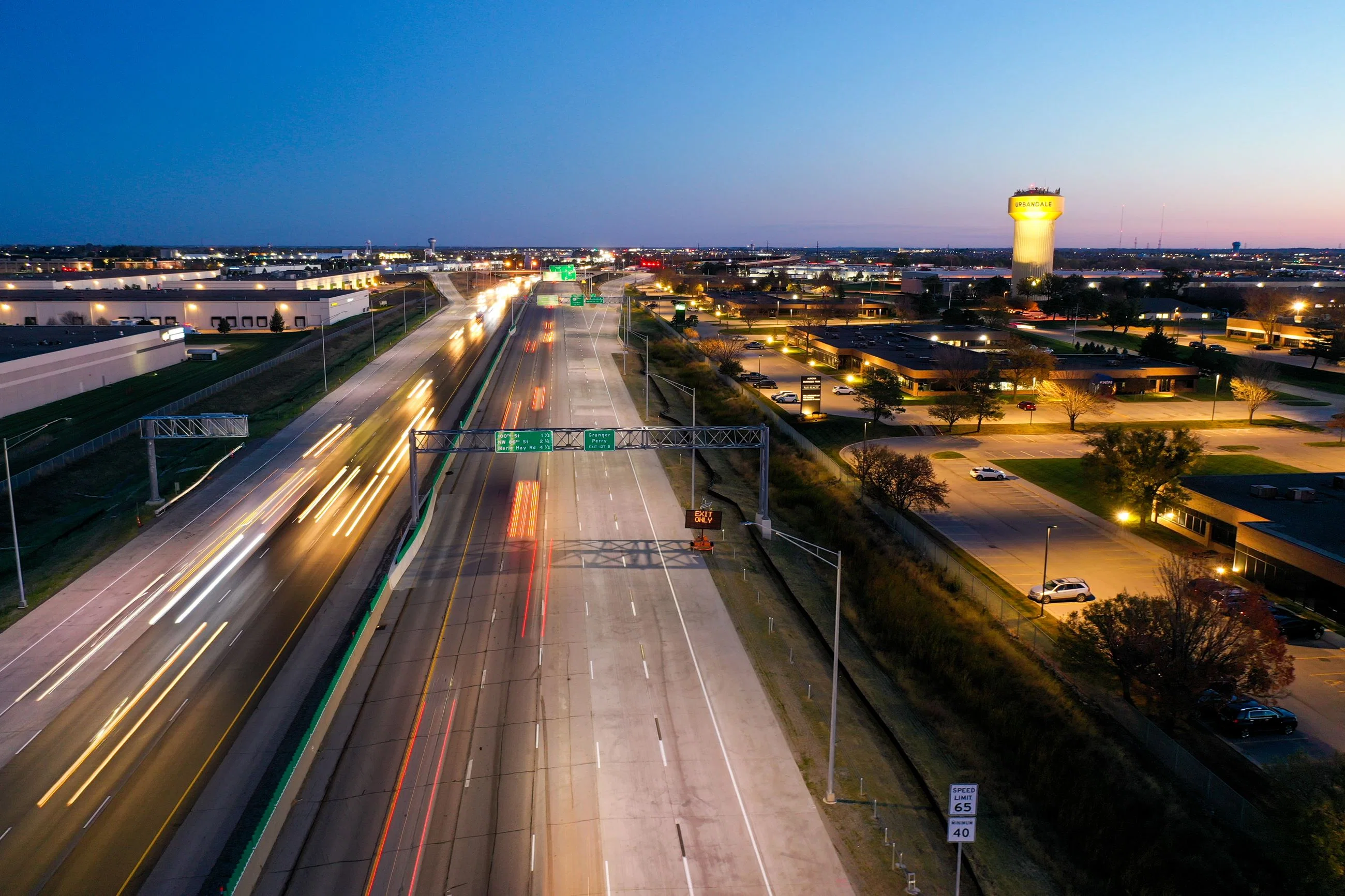
Location
Urbandale's Hickman Road corporate corridor and I-35/80 access make it a working base for company meetings that never need a convention floor.
View details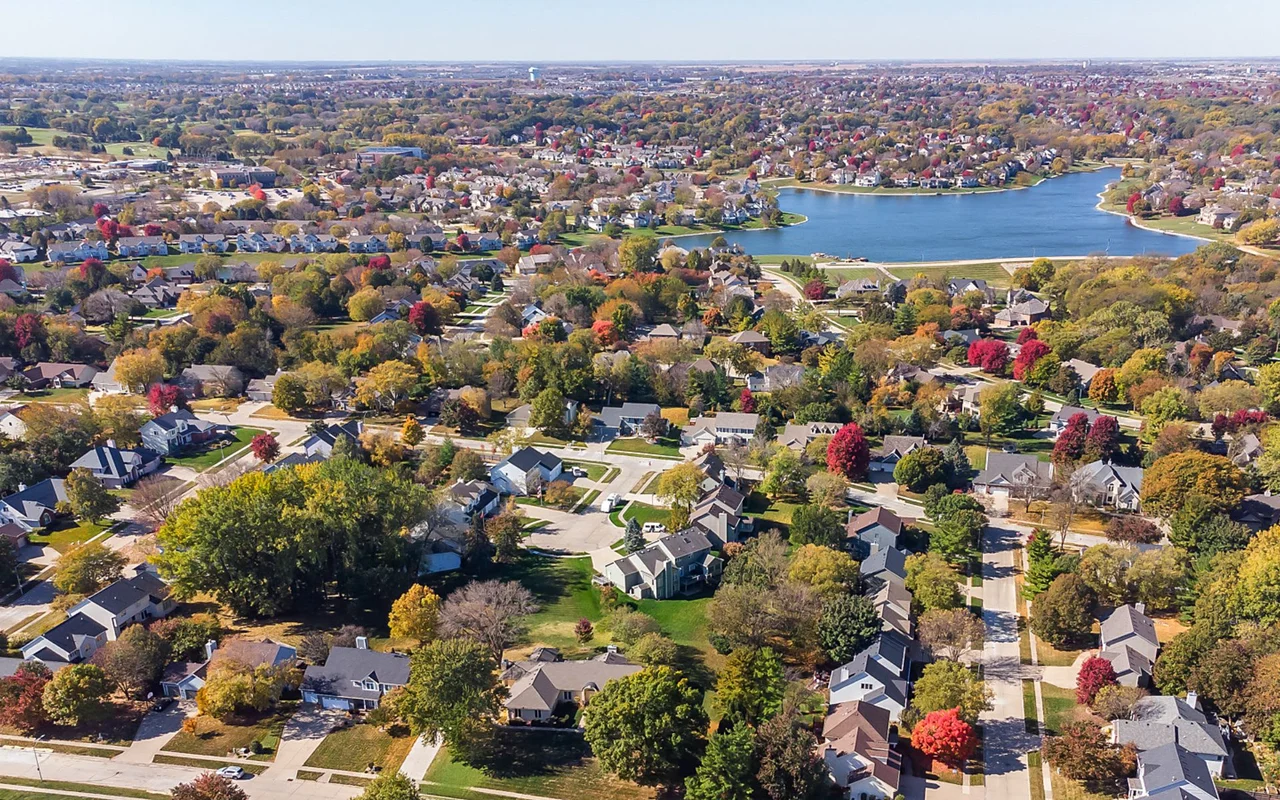
Location
Clive sits between West Des Moines and Urbandale with corporate offices of its own but little dedicated meeting space, so programs here usually borrow West Des Moines hotels.
View details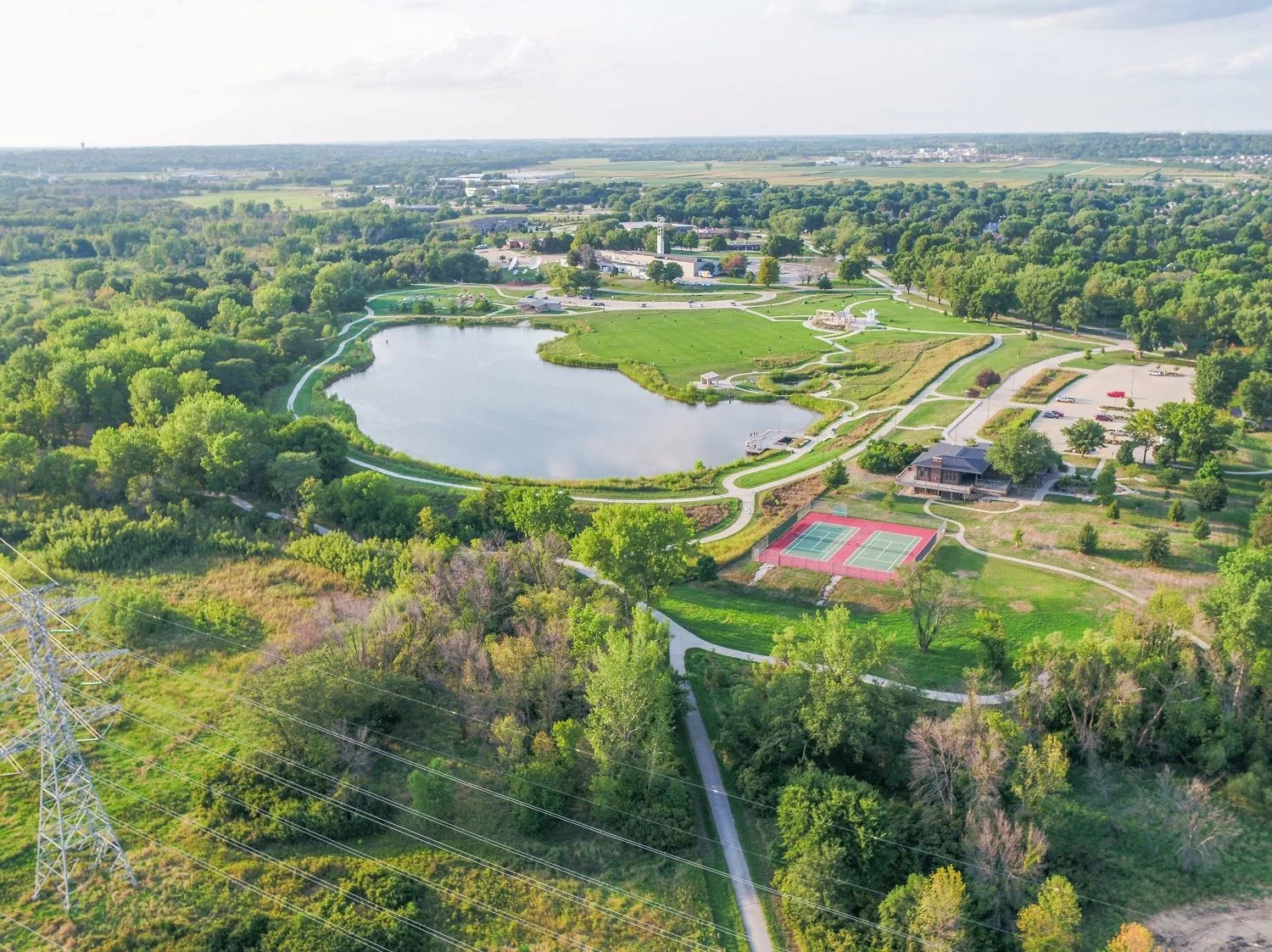
Location
Johnston's corporate campuses, including Iowa PBS, mean most events here stay on-site rather than moving to outside meeting space.
View details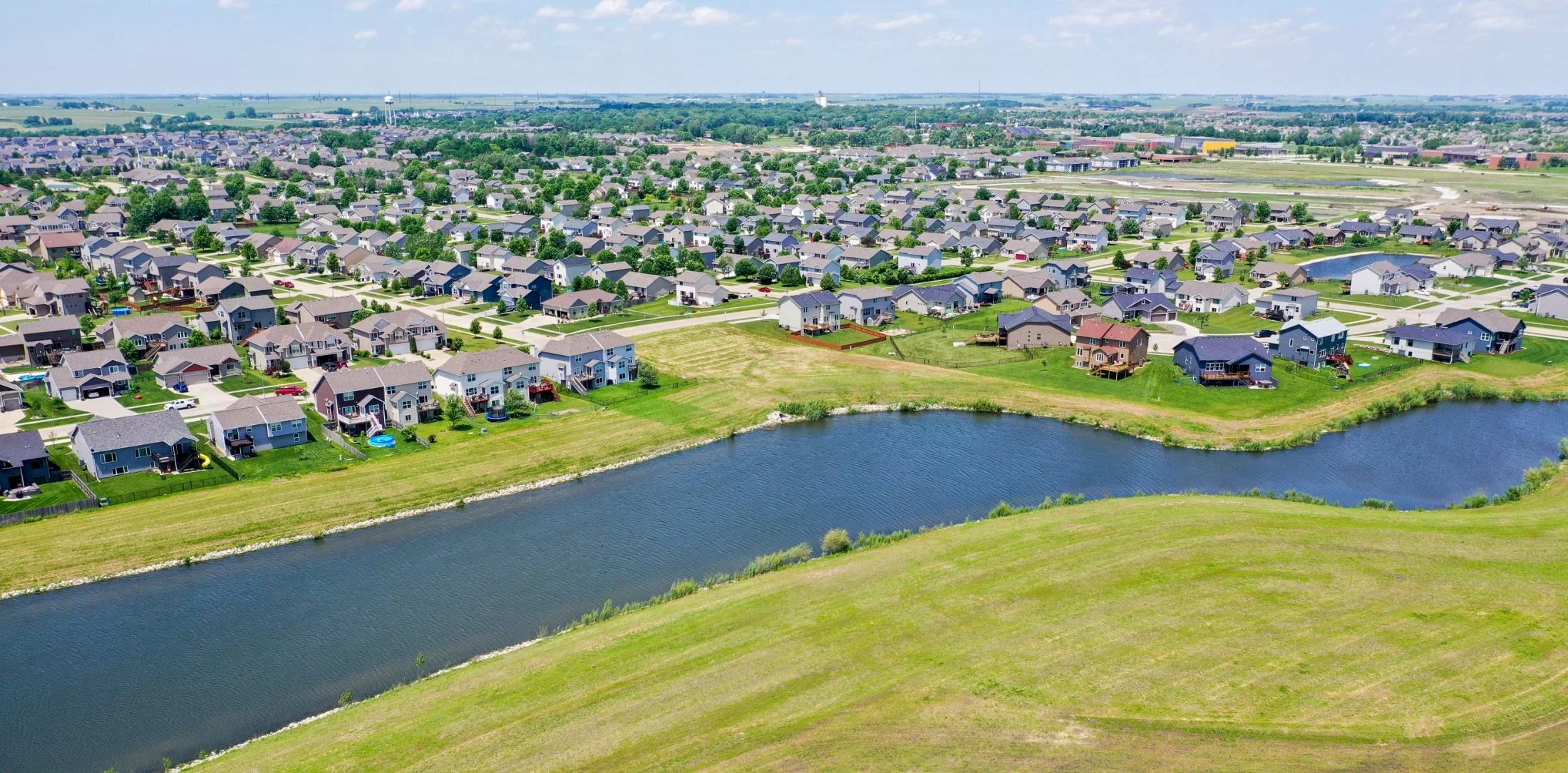
Location
Waukee is the fastest-growing city on the metro's west side, fueled by newer corporate development near Jordan Creek and reliant on the West Des Moines hotel corridor for larger meetings.
View details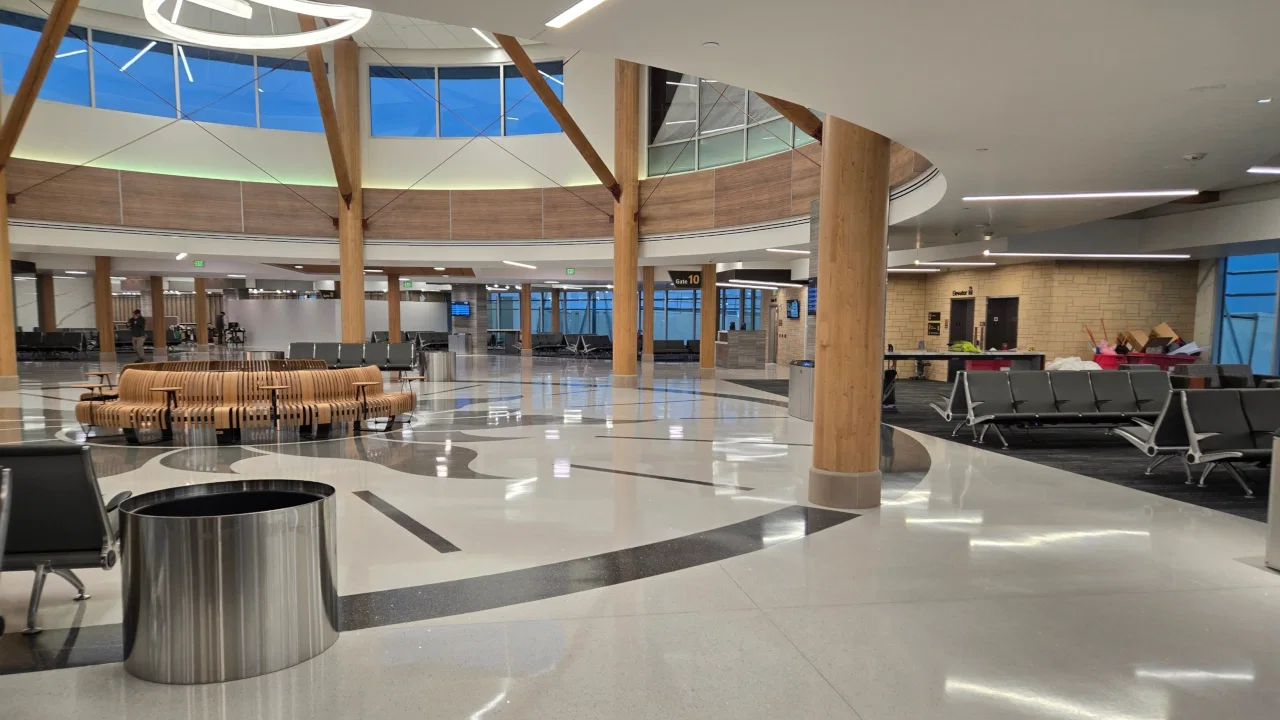
Location
The Fleur Drive corridor between downtown and Des Moines International Airport gives groups a short transfer for programs shaped for fast arrivals and departures.
View details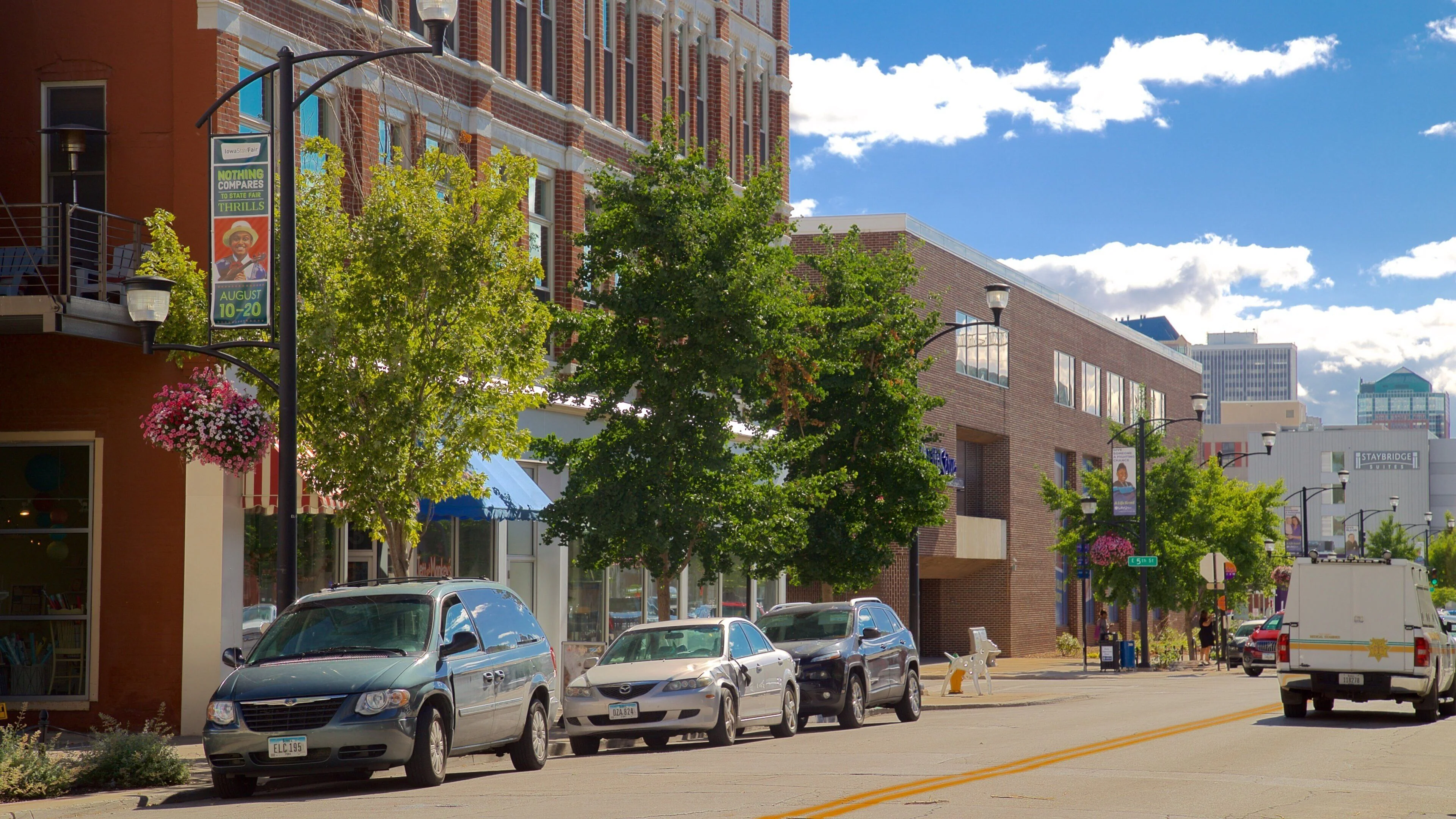
Location
The East Village, the walkable district between the Capitol and downtown, hosts offsite dinners and sponsor receptions rather than convention sessions.
View details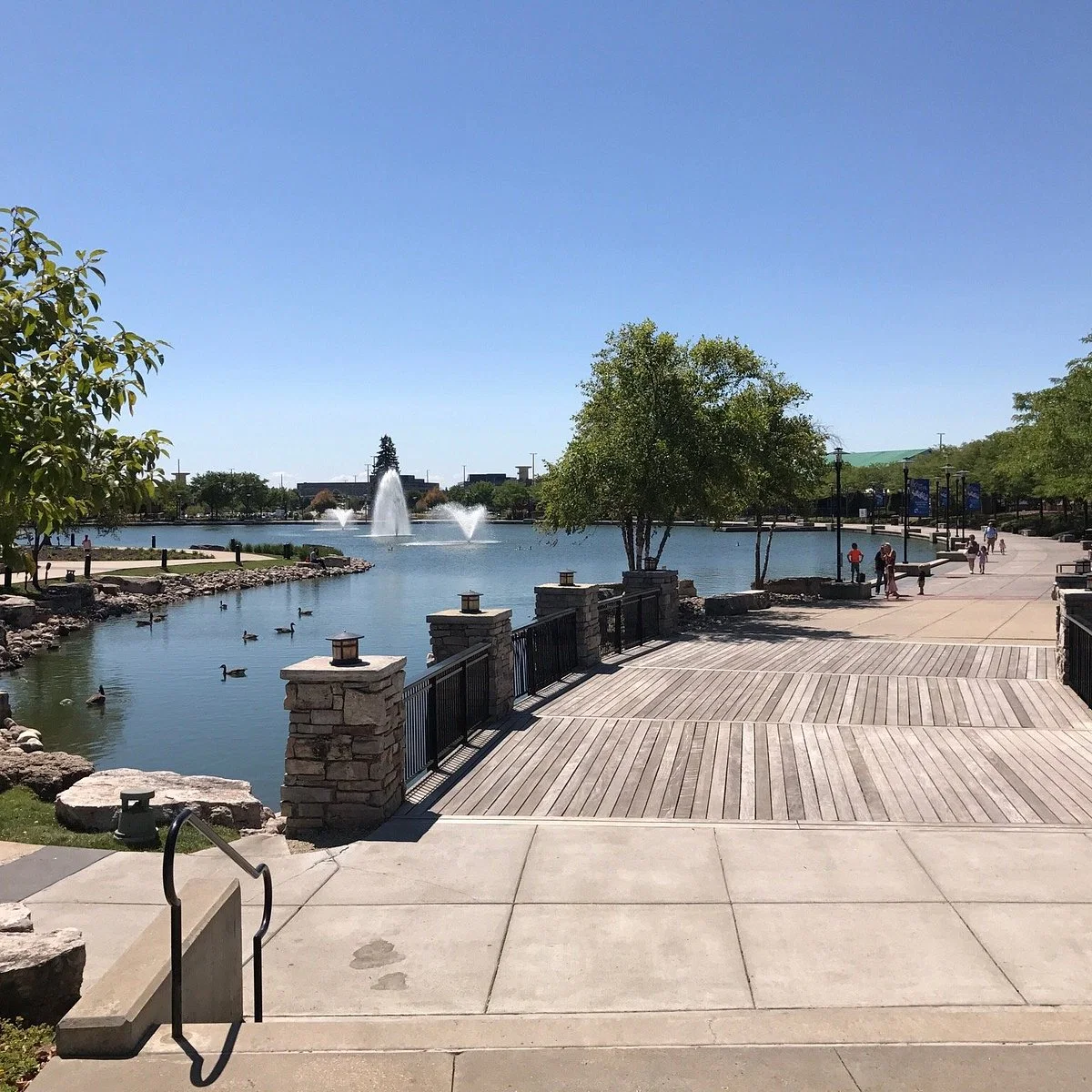
Location
The retail and office cluster around Jordan Creek Town Center on the west side supports mid-size corporate meetings out of its chain hotels.
View details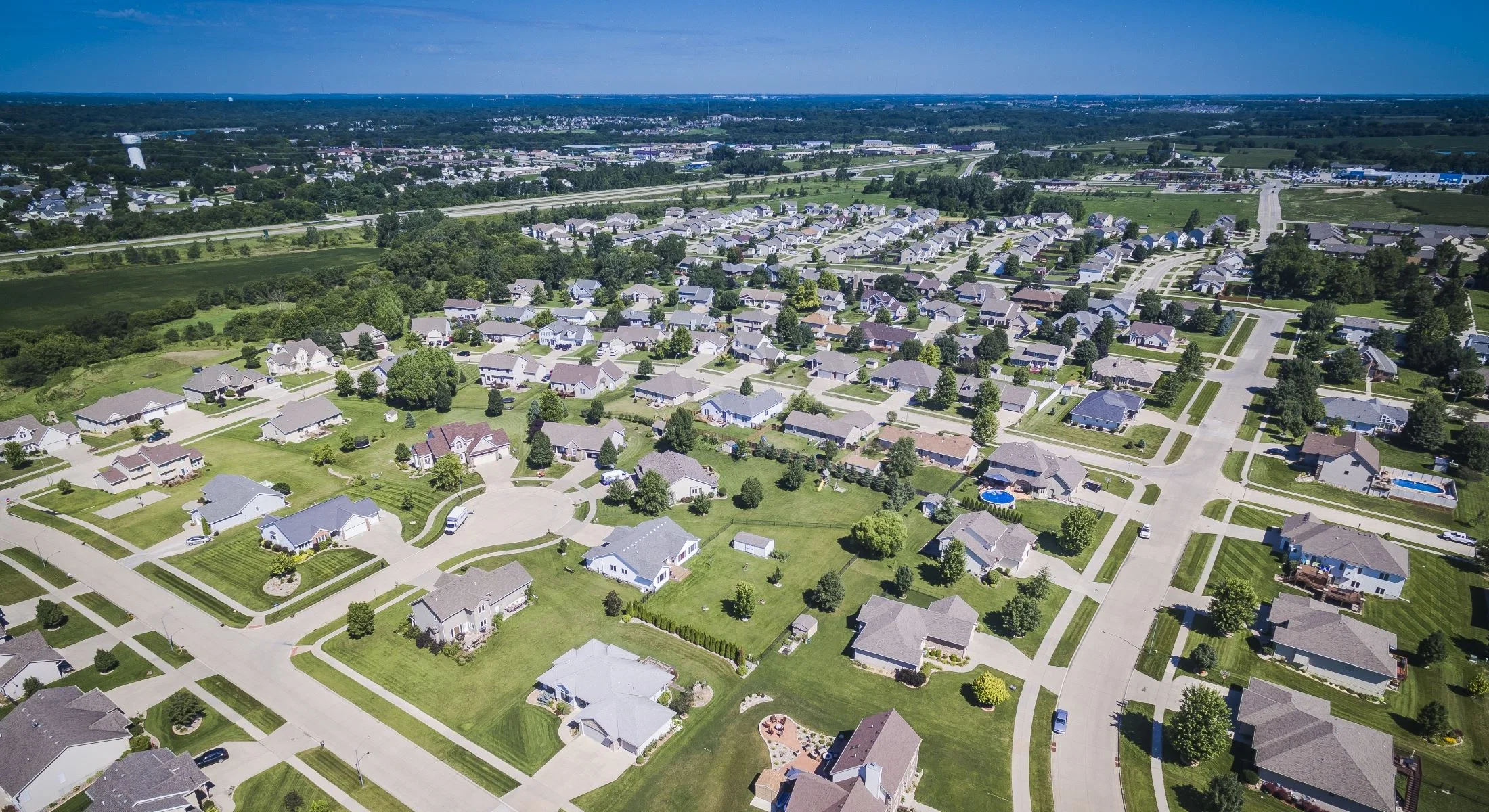
Location
Pleasant Hill sits on the east metro next to the Iowa State Fairgrounds and Copper Creek Lake, supporting fairgrounds events with nearby hotel and dining inventory.
View detailsThe city is formed by a downtown convention core, a large east-side fairgrounds cluster, and a west-corridor corporate meeting belt. Those three anchors create the main operating zones for event planning.
The location pages below follow the same pattern as the venues, districts, and submarkets above: each area is treated as a practical planning zone, not as a neighborhood description. The goal is to connect market geography to venue choice, hotel access, and logistics timing.
For repeat exhibitors, location planning also helps with consistency. The more often a program uses the same cluster of venues and hotel districts, the easier it is to refine labor, freight, and setup assumptions over time.
The Des Moines metro is compact enough that location decisions still change real execution details. Downtown, the west corridor, the east side, and the airport-adjacent belt each influence where a program lands, how freight moves, and how quickly the team can respond on show week.
The city is formed by a downtown convention core, a large east-side fairgrounds cluster, and a west-corridor corporate meeting belt. Those three anchors create the main operating zones for event planning.
The location pages below follow the same pattern as the venues, districts, and submarkets above: each area is treated as a practical planning zone, not as a neighborhood description. The goal is to connect market geography to venue choice, hotel access, and logistics timing.
The Iowa Events Center campus anchors Des Moines with the Community Choice Convention Center, Wells Fargo Arena, and Hy-Vee Hall.
The Iowa State Fairgrounds complex on the east side of the city is a major year-round trade-show and expo venue with the Varied Industries Building and the Jacobson Exhibition Center.
West Des Moines hosts Ron Pearson Center and a concentration of corporate meeting hotels.
Iowa Events Center publishes current exhibitor and event guidelines that planners should work from rather than assuming a generic convention-center process.
The convention campus includes Community Choice Convention Center, Hy-Vee Hall, and Wells Fargo Arena with different access patterns and exhibitor paperwork depending on the hall in use.
Planner questions
The venue, timing, and support path should be settled before the rest of the plan is finalized.
Ready to talk through the next show?
Use the location pages to narrow the operational geography before venue, hotel, and freight choices get final.