A clinician-facing conference in Des Moines answers to a different buyer than a public health fair or a vendor-facing exhibit: attendees are there on limited time away from patient care, and a program that respects that pressure with tight scheduling and efficient registration earns better attendance at every session.
Vendor exhibitors selling into UnityPoint or MercyOne's referral network expect private conversation space as much as open booth traffic, since a real purchasing conversation about clinical equipment or systems rarely happens standing in an aisle.
Execution priorities for Healthcare Trade Show Services
- Schedule around clinician time away from patient care, not a standard conference day
- Provide private meeting space alongside open booth traffic
- Handle any demo equipment with the same care as clinical gear
- Keep registration and badge pickup fast for a time-pressed audience
A clinician audience runs on borrowed time
A physician, nurse, or clinical administrator attending a Des Moines healthcare event is usually working around a shift schedule, not blocking a full week the way a typical trade show attendee might, so sessions that run long or start late lose attendance fast.
Registration and badge pickup should be built for speed rather than a leisurely check-in experience, since every extra minute in line is a minute a clinician can't easily make up later in the day.
Private space for real purchasing conversations
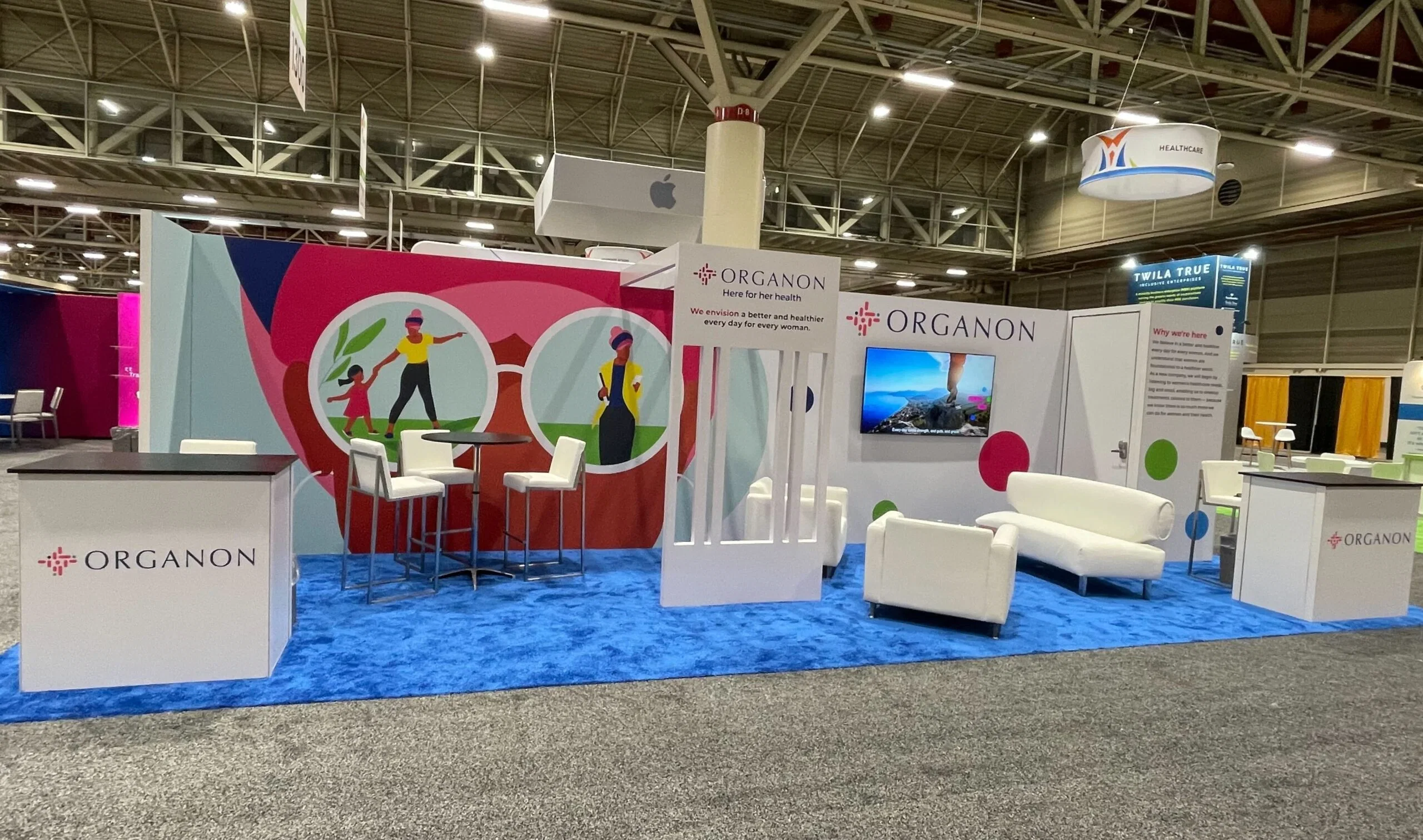
A booth built purely for open foot traffic underperforms for healthcare exhibitors selling equipment or systems into UnityPoint or MercyOne's network, because the actual decision-maker conversation needs privacy that an open aisle doesn't offer.
Pairing an open demo area with an adjacent private meeting space lets an exhibitor handle both casual booth traffic and a serious buyer conversation without one interrupting the other.
Handling demo equipment correctly
Clinical or near-clinical demo equipment on a trade show floor should move and set up with the same handling discipline as real medical equipment, since a damaged unit is more than a booth problem, it can delay a scheduled demonstration a clinician specifically came to see.
Power and connectivity requirements for healthcare demo equipment should be confirmed well ahead of the show, since some devices have specific electrical or network needs that a generic booth power drop won't cover. Confirming this early also gives time to source a backup unit if a device needs certification or calibration checks before it can go on public display.
How we run the work for Healthcare Trade Show Services
We build the schedule around realistic clinician availability first, then design booth space that pairs open demo traffic with private conversation rooms, and handle any clinical-adjacent equipment with dedicated care rather than standard freight handling.
That sequencing keeps the event useful to the audience it's actually trying to reach instead of running on a generic trade show template that assumes attendees have a full day to spend.
- Build the session schedule around realistic clinician time away from care duties
- Pair open demo booth space with adjacent private meeting rooms
- Confirm power and connectivity needs for clinical-adjacent equipment ahead of the show
- Keep registration and badge pickup fast for a time-pressed audience
What the Healthcare Trade Show Services plan covers
The finished plan covers a session schedule built for clinician availability, booth layout that pairs open and private space, equipment handling procedures for clinical-adjacent demo gear, and a fast registration process.
It closes with notes on attendance patterns by session time, useful for tightening the schedule if the same program runs again for the Des Moines healthcare community.
Planning questions for Healthcare Trade Show Services
What health systems shape the Des Moines healthcare event audience?
UnityPoint Health and MercyOne are the metro's two major systems, and their clinician and administrative staff make up a large share of the local healthcare event audience.
Why does clinician scheduling matter so much for these events?
Attendees are usually working around a shift schedule and have limited time away from patient care, so sessions running long or starting late lose attendance quickly.
Do healthcare exhibitors need private meeting space?
Yes, in most cases. Real purchasing conversations about clinical equipment or systems need privacy that an open booth aisle doesn't provide, so pairing open and private space works better than an open booth alone.
How should clinical-adjacent demo equipment be handled?
With the same handling discipline as real medical equipment, and with power and connectivity needs confirmed ahead of the show rather than assumed from a standard booth power drop.
Why does registration speed matter more here than at a general trade show?
Because clinician attendees have limited time away from care duties, and every extra minute in a registration line is time they can't easily make up later in the day.