
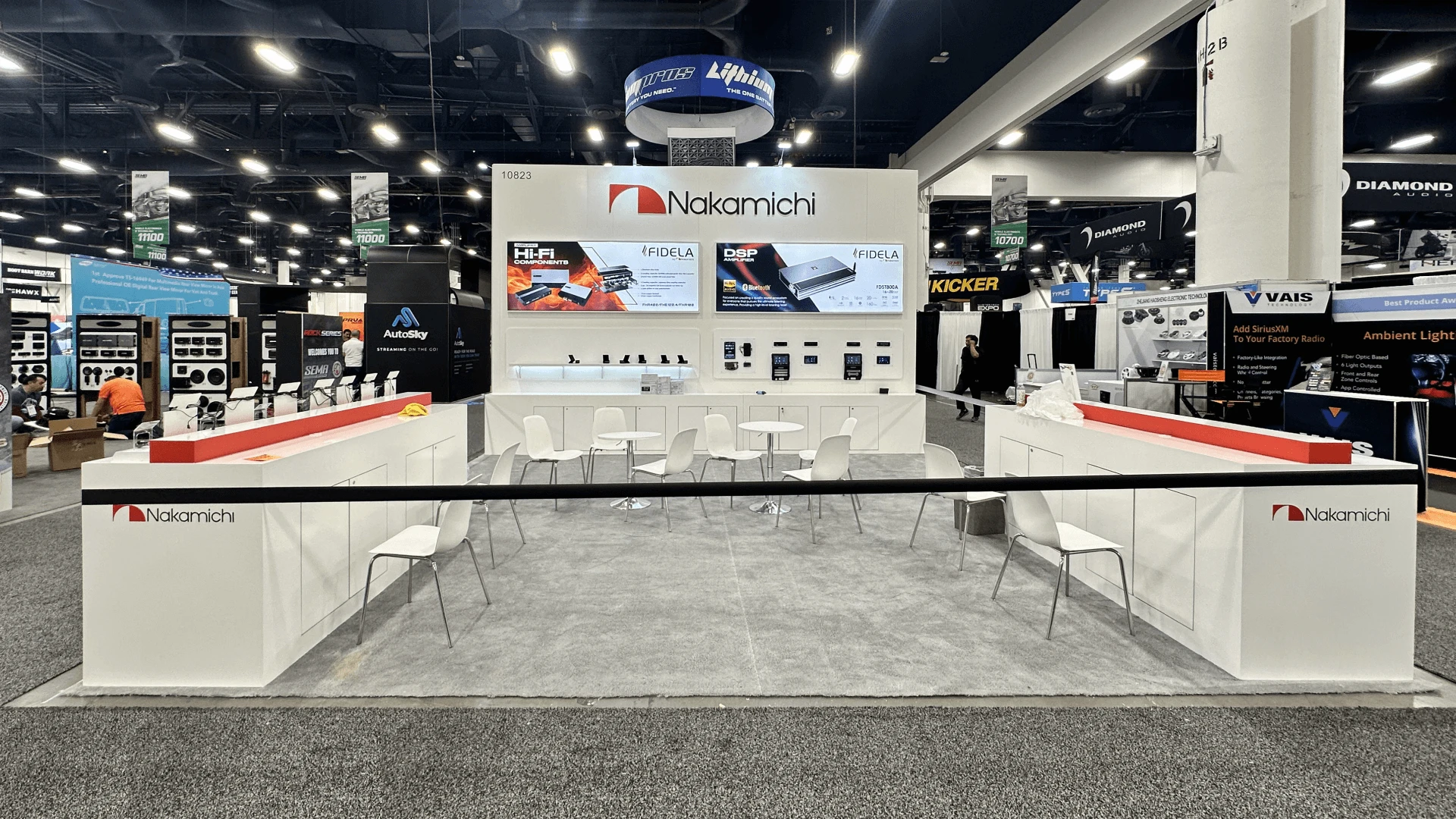
A vehicle display at the fairgrounds can bring in a full lineup with drive-on access and enough floor space to walk around each unit, which suits a dealer group or manufacturer program that leads with volume and variety.
A downtown showroom-style activation trades that volume for foot traffic and visibility, placing a small number of vehicles where evening and weekend pedestrian crowds naturally pass, which works differently for lead generation than a fairgrounds event with a dedicated show audience.
Execution priorities for Automotive Trade Show Services
- Match vehicle count and format to fairgrounds scale or downtown foot traffic
- Confirm floor protection and indoor climate needs for each vehicle
- Plan drive-on and drive-off timing around the display's actual footprint
- Set lead capture that matches a browsing crowd rather than a scheduled buyer
Fairgrounds scale versus downtown visibility
A fairgrounds vehicle display works best when the goal is showing a full lineup to a dedicated show audience that came specifically to see vehicles, with room to walk, compare, and sit in multiple units.
A downtown East Village activation works differently: fewer vehicles, more incidental foot traffic, and a display that has to earn attention from people who weren't necessarily planning to look at cars that day.
Floor protection and indoor climate
Any vehicle displayed indoors needs floor protection appropriate to the surface, and climate considerations that account for Iowa's seasonal swings, since a vehicle brought in from a cold parking lot in winter needs time to acclimate before detailing holds up under indoor lighting.
Fluid containment and battery disconnection protocols should be confirmed for each vehicle on display, particularly for anything running or demonstrated rather than simply parked.
Drive-on timing and footprint
Drive-on and drive-off timing at the fairgrounds should be scheduled around the display's actual footprint and the building's own access hours, since moving multiple vehicles in or out during general show hours creates safety exposure that's avoidable with better scheduling.
A downtown activation has the opposite problem: getting vehicles onto a sidewalk or plaza display often means a narrower access window and closer coordination with the district or city than a fairgrounds building requires, and that coordination should start well before the display date rather than the week of.
How we run the work for Automotive Trade Show Services
We size the vehicle count and choose fairgrounds or downtown format based on whether the program needs a dedicated show audience or incidental foot traffic, then build floor protection and climate handling into the plan for each vehicle.
Drive-on and drive-off scheduling should follow the display's actual access hours and footprint, not a generic move-in window borrowed from a standard exhibit floor plan. That distinction matters most in the weeks right before the event, when labor calls and transport trucks get locked to a specific hour rather than a loose morning-of estimate.
- Choose fairgrounds scale or downtown visibility based on the program's actual goal
- Confirm floor protection and climate acclimation needs per vehicle
- Schedule drive-on and drive-off outside general show or foot-traffic hours
- Set lead capture suited to a browsing crowd for downtown, a show audience for fairgrounds
What the Automotive Trade Show Services plan covers
The finished plan names the format and venue, sets floor protection and climate handling per vehicle, schedules drive-on and drive-off around actual access windows, and matches lead capture to the audience type.
It closes with notes on which vehicles and formats drew real interest, useful for a dealer group or manufacturer program that returns to the Des Moines market on a seasonal cycle.
Planning questions for Automotive Trade Show Services
Where do automotive displays happen in Des Moines?
Large-scale displays typically use the Iowa State Fairgrounds for drive-on access and floor space, while smaller showroom-style activations use downtown districts like East Village for foot traffic.
Does winter weather affect an indoor vehicle display?
Yes. A vehicle brought in from a cold lot needs time to acclimate before detailing holds up under indoor lighting, and floor protection has to account for melting snow and salt.
What safety protocols apply to displayed vehicles?
Fluid containment and battery disconnection should be confirmed for each vehicle, especially anything running or demonstrated rather than simply parked.
When should vehicles move on and off the display?
Outside general show or foot-traffic hours. Moving multiple vehicles during open hours creates avoidable safety exposure, so timing should match the building's actual access windows.
Does lead capture differ between fairgrounds and downtown formats?
Yes. A fairgrounds show audience came specifically to see vehicles and supports more structured lead capture, while a downtown browsing crowd needs a lighter, faster approach.