
Des Moines is home to a concentrated insurance and financial-services corridor that includes companies like Principal, and software and services firms that serve that corridor tend to run their customer conferences locally rather than fly the whole company somewhere else. That means the venue choice is usually downtown, close to the hotel block and the airport, not the fairgrounds.
The program itself splits into general session, breakout tracks, and hands-on demo time, and each piece asks something different of the room: a general session needs a stage and AV rig, breakouts need smaller rooms with their own AV, and demo pods need power, network, and enough open floor that attendees can move between stations without crowding.
Execution priorities for User Conference Services
- Size breakout rooms to actual track attendance, not the general session count
- Run power and network to demo pods before anything else is scheduled
- Plan hospitality around out-of-town arrival through the Des Moines airport
- Set a closeout process that feeds directly into next year's program
Getting customers into Des Moines
Most user conference attendees are flying in, which means the program has to account for arrival patterns through Des Moines International Airport, ground transportation to the downtown hotel block, and a check-in window before the first session.
Hotel blocks at properties like the downtown Hilton, Marriott, and Embassy Suites sit within walking distance or skywalk access of the Iowa Events Center campus, which simplifies the between-session logistics but still needs to be confirmed room by room.
General session versus breakout math
A general session room has to hold the full attendee count plus staging and AV, while breakout rooms only need to hold the track's actual expected attendance, and sizing breakouts to the general session number wastes room and budget that could go toward better demo space.
Track selection data from registration, when available, should drive breakout room assignment rather than guessing evenly across tracks.
Demo pods and hands-on time
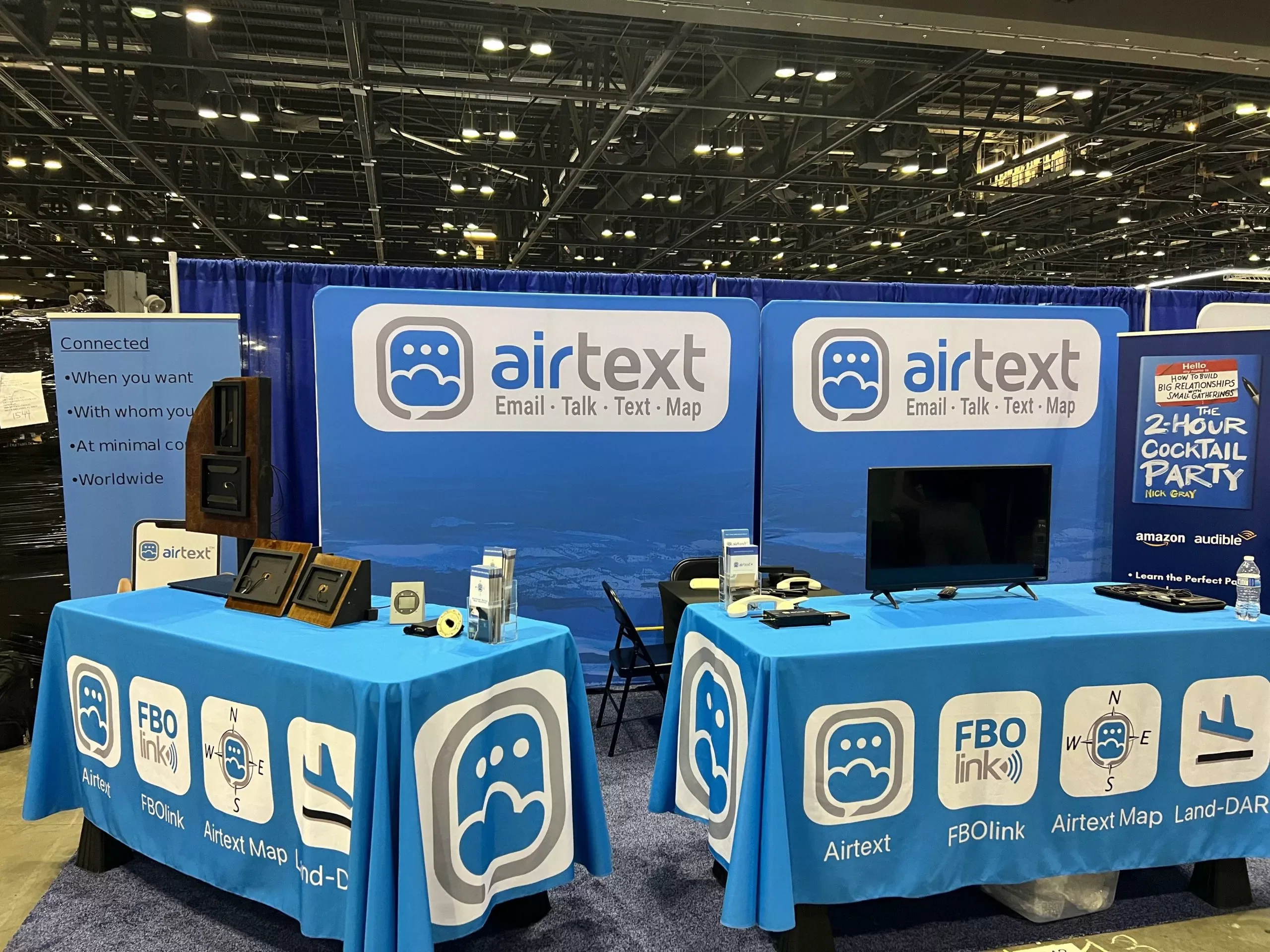
Hands-on demo space is usually the part of a user conference that gets the least planning attention and causes the most on-site friction: power drops, network access, and table layout all have to be confirmed against the actual number of stations before the floor plan is finalized.
Staffing the demo floor separately from breakout room monitors keeps attendees from waiting on a station because the one person who could answer a question is leading a session across the hall.
How we run the work for User Conference Services
We build the room plan from the attendee's actual path: arrival at the airport, hotel check-in, general session, breakout selection, demo floor, and evening hospitality, and size each piece to that path instead of a single flat headcount.
That sequencing means AV, power, and network orders go out against real room assignments instead of placeholders, which is where most late change fees come from on a multi-track program.
- Confirm hotel block proximity and ground transport from the airport before the room plan is set
- Size breakout rooms to expected track attendance, not the general session count
- Run power and network to demo pods as a separate line item from general AV
- Staff the demo floor independently from breakout session monitors
What the User Conference Services plan covers
The finished plan covers arrival and hotel logistics, general session and breakout room assignments with AV specified per room, demo pod power and network, evening hospitality timing, and a closeout note on what track sizing and floor layout worked.
That closeout matters here more than most event types, because a user conference usually repeats annually with the same customer base, and the notes from this year set the baseline for next year's room math.
Planning questions for User Conference Services
Where do user conferences in Des Moines usually run?
Downtown, close to the hotel block and the Community Choice Convention Center, since most attendees fly in through Des Moines International Airport and the venues are within walking or skywalk distance of downtown hotels.
How should breakout rooms be sized?
To the expected track attendance from registration data, not to the general session headcount. Sizing every breakout the same wastes room and budget.
What does the demo floor need that a breakout room doesn't?
Power drops and network access at each station, confirmed against the actual station count, plus staffing that isn't pulled from breakout session duty.
Does the airport affect the event schedule?
Yes. Arrival patterns through Des Moines International Airport set the realistic start time for the first session and the ground transport plan to the hotel block.
Why does closeout matter more for a user conference than a one-time event?
Because it usually repeats annually with the same customer base. What worked in room sizing and floor layout this year becomes the starting point for next year's plan.